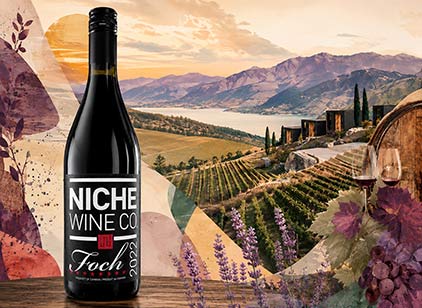
The adventurous local red
Niche Wine Co. 2022 Foch
Dark fruit, savoury character and a little local curiosity—made for barbecue nights, charcuterie and drinkers ready to try something beyond the usual Merlot.
Read Emily's note →Twelve local wines, one first edition, and a simpler way to discover what belongs at your table this summer.
Welcome to the first edition of my journal. One of the nicest parts of helping people choose wine is discovering how little information it takes to begin. Sometimes a customer knows the grape, the region and the vintage. More often, they simply say, “We’re having salmon,” or “I need something thoughtful under thirty dollars.”
That is enough. A good recommendation begins with listening, not testing what someone knows. This journal is where I’ll share the bottles, meals, wineries and customer questions that make wine feel more useful—and much more enjoyable.
This summer’s edition begins with twelve local wines chosen for patios, barbecues, lake evenings, gifts and dinners with people you like spending time with. Open one bottle, explore a few, or follow the whole collection. There is no correct way to enjoy it.
Cheers,
Emily
Twelve bottles chosen with a role in mind—from adventurous local reds and elegant whites to celebratory bubbles and relaxed patio wines.
Dark fruit, savoury character and a little local curiosity—made for barbecue nights, charcuterie and drinkers ready to try something beyond the usual Merlot.
Read Emily's note →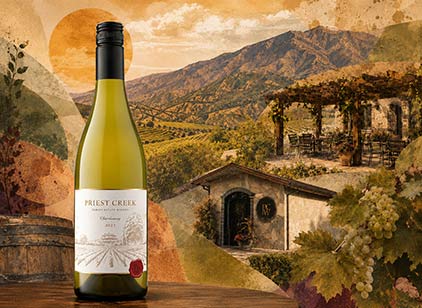
Bright, polished and quietly confident. A natural choice for roast chicken, seafood, creamy pasta and golden-hour patio dinners.
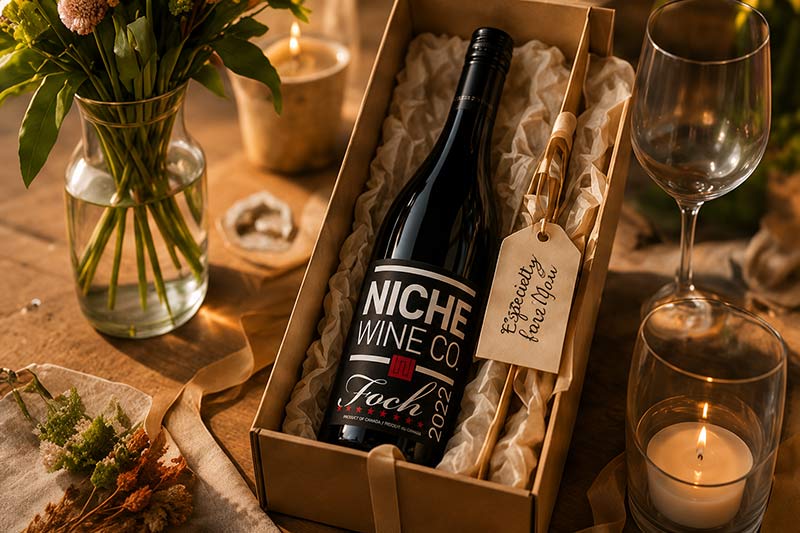
For hosts, birthdays and dinner invitations: a bottle with a story, a clear reason for the choice, and no need for wine jargon.
Warm days, cool nights, lake breezes and wildly different vineyard sites give local wineries a remarkable range of styles. This is where the journal slows down and looks beyond the bottle—to the places, people and choices that shape what we pour.
Coming first: the story behind one of Emily’s Summer Selects and the winery that made it.
Dry does not mean dusty, harsh or flavourless. It simply means there is very little residual sugar left in the wine. A dry wine can still taste generously fruity because ripe grapes naturally create aromas and flavours that remind us of berries, peaches, citrus or tropical fruit.
“Fruit flavour and sweetness are not the same thing—and understanding that one difference makes choosing wine much easier.”
Think of sweetness as one part of the experience, not the whole experience. Acidity, tannin, body, alcohol and fruit character all influence how the wine feels.
Try asking Emily:
“I like fruity white wine, but I don’t want it sweet. What should I try at Harvey?”
This is exactly the kind of question Emily loves. No tasting vocabulary required—just one familiar bottle and a willingness to explore.
Emily understands: smooth texture, ripe fruit, approachable tannins and a generous style.
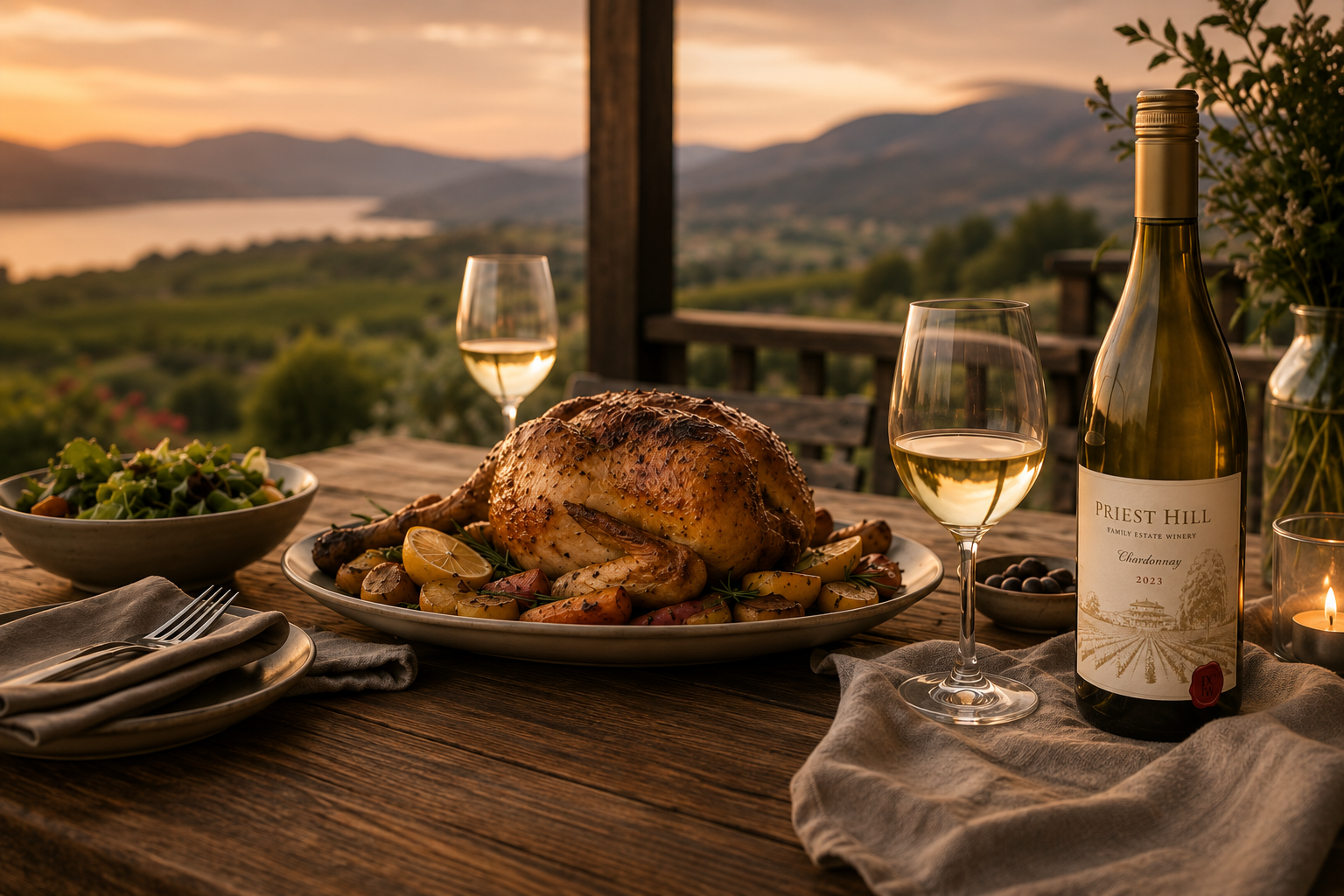
Roast chicken is one of wine’s most accommodating dinners. The best match depends less on the chicken and more on what surrounds it.
Tell Emily what you are cooking, what you usually enjoy, your budget, or the ARC Liquor store you are visiting. She will take it from there.
 Meet Emily in ChatGPT →